
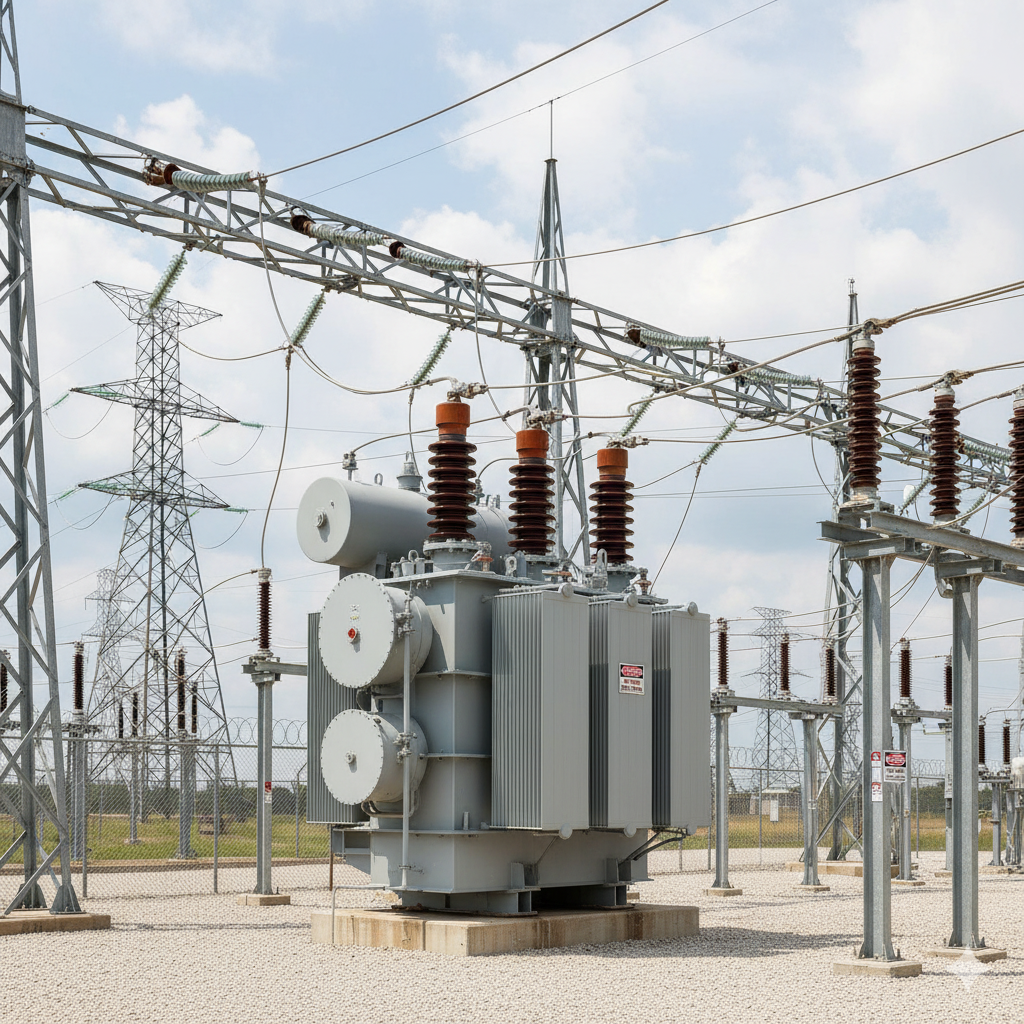
Transformers are the backbone of modern electrical systems, ensuring efficient transmission and distribution of power across long distances. They work by stepping voltage up or down, making electricity suitable for various applications, from industrial machinery to household appliances.
In power generation stations, transformers increase voltage to reduce energy loss during transmission. This high-voltage electricity travels through transmission lines and is later stepped down by distribution transformers for safe usage.
There are several types of transformers, including power transformers, distribution transformers, and isolation transformers. Each type is designed to serve a specific purpose depending on the application and load requirements.
Modern transformers are designed with improved efficiency, reduced losses, and enhanced safety features. Innovations in materials and cooling techniques have significantly increased their lifespan and reliability.
Understanding how transformers work helps businesses and homeowners make informed decisions about energy usage and infrastructure investments.